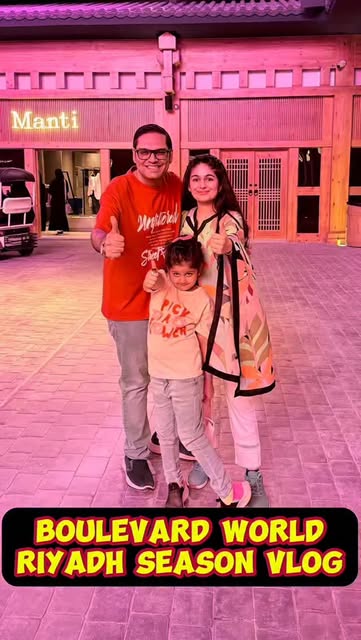
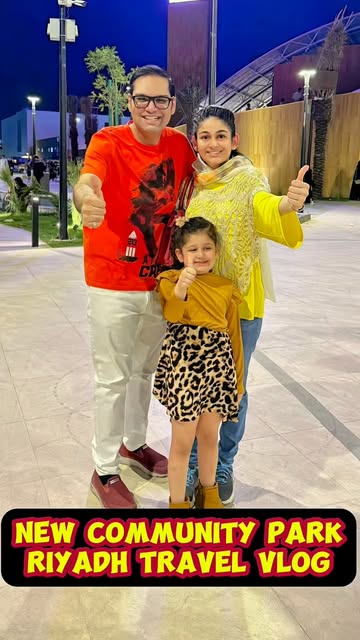
Influencer marketing in Saudi Arabia: a brand's guide to working with a licensed creator
How sponsored reels work in KSA, why the Mawthooq licence matters, which formats to book and how to brief a creator so the campaign lands.
Saudi Arabia is one of the most active short-video markets anywhere, and brands here — from banks and remittance apps to car showrooms and burger chains — increasingly put a real face in front of their offer. If you're planning your first creator campaign in the Kingdom, this is the practical version: what to check, what to book and how to brief.
1. Start with the licence: Mawthooq
In Saudi Arabia, anyone publishing paid advertising on social media is expected to hold a Mawthooq (موثوق) licence, issued through GCAM, the General Commission for Audiovisual Media. For a brand it's the simplest due-diligence step there is: ask for the licence number before you sign anything.
I'm registered under Mawthooq licence No. 566178, and I've walked other creators through the process in a reel — how to apply for the Social Media Influencer Licence. Paid posts on my channels are labelled as ads, every time.
2. Know who you're actually reaching
Follower counts are the headline, not the story. My audience sits across three platforms — around 92.6K on Instagram, 80.5K on TikTok and 45K on Facebook — and a large share of it is Urdu- and Hindi-speaking expats living across the Kingdom, alongside Saudi followers. That's why remittance apps, banks, telecom packages and value-led retail perform so strongly: the offer is directly useful to the person watching.
Before you book anyone, ask: does this creator's audience actually need what I'm selling, this month?
3. Pick the right format
- Sponsored reel — one concept, one shoot, one vertical video explaining your offer the way a friend would. The workhorse format.
- Product launch or store opening — live coverage in stories on the day, then a cut-down reel after.
- UGC package — footage and stills licensed for your own feed, paid ads and in-store screens.
- Ambassadorship — a quarterly or annual run of content. Repeat presence beats a one-off post; brands like Urpay, Carly, Popeyes and Mark & Save have come back for multiple reels.
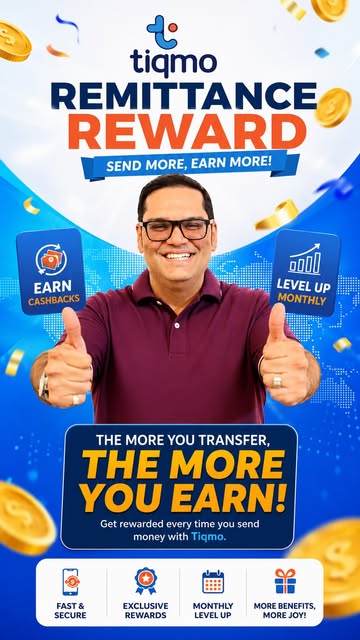
4. Brief like this
The best briefs I receive answer five things in a few lines:
- The offer — the one thing you want people to remember (a price, a discount, a free month, a prize).
- The audience — who should act, and where (Riyadh only? Jeddah and Khobar too?).
- The action — visit a branch, download an app, use a code, book a test drive.
- Dates — launch day, offer end date, any blackout periods.
- Deliverables and budget range — reel, stories, UGC rights, and roughly what you're working with.
Leave the "how" to the creator. My reels open with a clear headline, explain the offer in plain language, and end with exactly what to do next — because that's the format my audience trusts.
5. Measure what matters
Views tell you reach; saves, shares and comments tell you intent. Ask for post-campaign screenshots of reach, plays, saves and shares, and if you can, give the creator a trackable link or code. When a campaign works, the follow-up is often as powerful as the original — one of my Urpay reels was simply a follower who won a Jaecoo J5 after watching the first video.